

















Ghiyath al-Din Ghori
From the moment of its revelation until today, Islam has stood apart as the only divine religion whose laws are in perfect harmony with human nature, preserving human dignity, honor, and moral worth. This is why its followers have been among the most dignified and respected peoples throughout history. In every era, they assumed leadership, carried the responsibility of governance, and demonstrated the highest standards of moral and civilizational guidance.
Yet there have always been those enslaved by their base desires and animal instincts who refused to submit to Islam’s truth. Choosing hostility over guidance, they launched campaigns of opposition against the faith.
They spared no effort in their enmity, exhausting every means to weaken it. Still, their efforts repeatedly collapsed. Their ranks were fragmented, their cause hollow, and the Muslim Ummah confronted them with unity, resilience, and unwavering resolve.
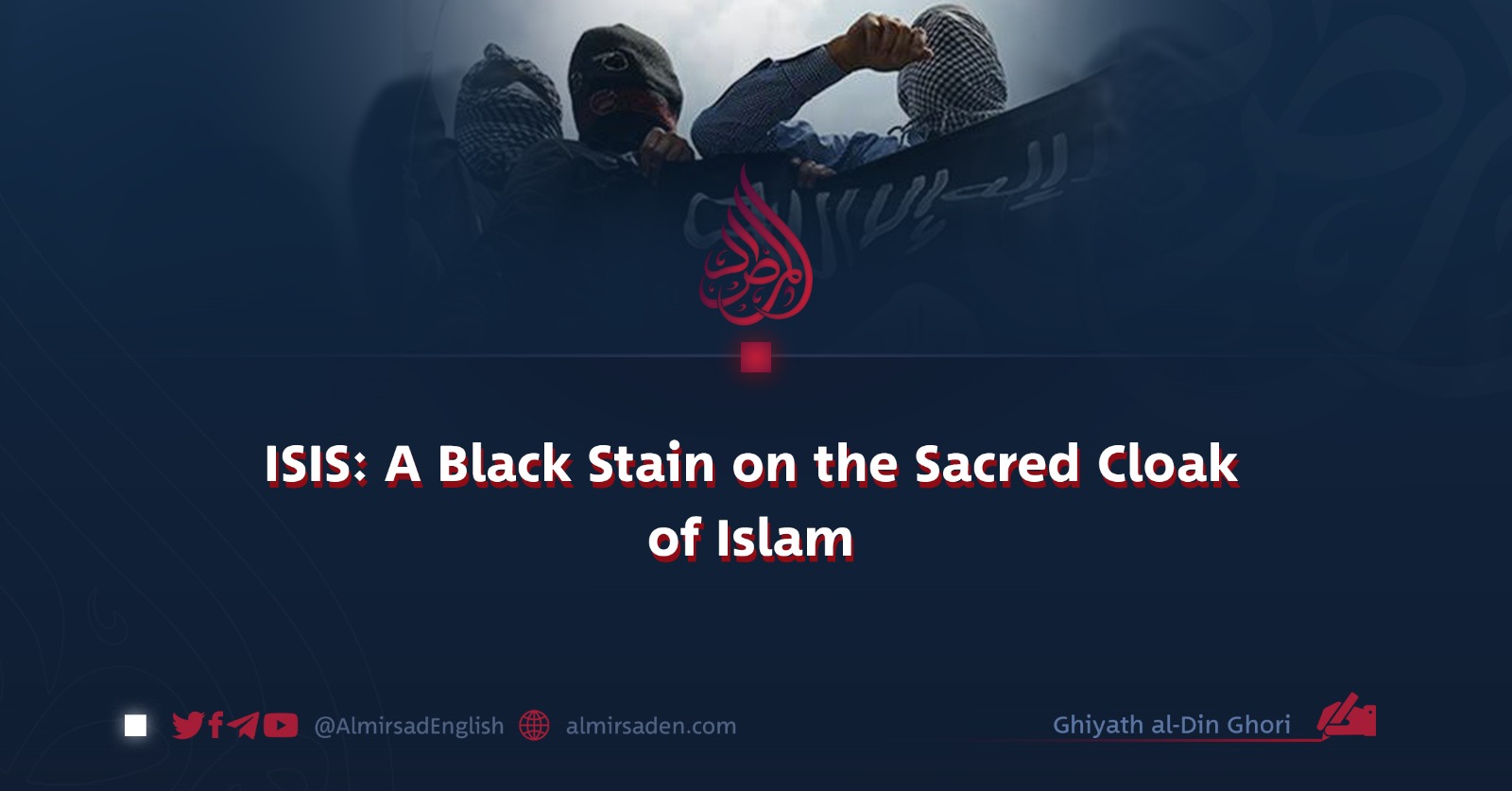
Having failed in open confrontation, Islam’s enemies turned to a more insidious strategy by undermining the religion from within and elevating figures who wore the outward garb of Islam while serving the agendas of disbelievers. History bears witness to such individuals again and again. They dressed as Muslims, spoke in Islamic terms, yet worked secretly to fulfill the aims of Islam’s enemies. In our time, the group calling itself ISIS continues this pattern. Despite claiming Islamic legitimacy, it has aligned itself in practice with the very forces that seek to discredit and undermine Islam.
In reality, ISIS is not a movement born of the Qur’an or the Prophetic tradition. It is a deviant phenomenon whose excessive violence, shallow literalism, and takfiri extremism place it in direct opposition to the true spirit of Islam.
By shedding the blood of the innocent, assassinating sincere scholars, destroying cities, and distorting religious concepts, ISIS has inflicted greater harm upon Islam and Muslims than any external enemy. It has projected a grotesque image of Islam, precisely the image long desired by its adversaries and tirelessly promoted by its detractors. The goal is clear: to alienate people from Islam, fracture Muslim unity, and legitimize foreign domination and interference in Muslim lands.
A closer examination of contemporary Muslim societies reveals a consistent and alarming pattern. This group has systematically targeted prominent scholars, influential preachers, and devoted servants of the religion. Since these extremist Kharijites emerged in Afghanistan, countless religious scholars, respected callers to Islam, and loyal defenders of the faith have been martyred. These were individuals whose elimination Islam’s enemies had long sought but could not achieve by other means.
Among them were the distinguished preacher Mawlana Mujib al-Rahman Ansari (may Allah accept him), the eminent scholar of the Islamic Ummah Sheikh Rahimullah Haqqani (may Allah accept him), and the courageous mujahid Khalil al-Rehman Haqqani (may Allah accept him). Their assassinations reflect a calculated aim to eliminate those who sincerely uphold the religion, defend its authentic teachings, and stand firmly with the Muslim Ummah.
Therefore, it must be stated without ambiguity that, in this age, ISIS functions as a tool wielded by the enemies of Islam. Its true mission is not the revival of religion, but the destruction of Islam’s moral authority, the elimination of its sincere adherents, and the deliberate sowing of division within the Islamic Ummah.