






















By Farhan Banuri
The conflict between Iran, the United States, and Israel has now reached its most dangerous and delicate stage. Iran, through the firm resolve and determination it has demonstrated, and through the courage, bravery, and tireless struggle with which it has confronted the world’s great powers, has not only sacrificed its leadership, fundamental institutions, and other valuable assets, but has also put America under intense pressure.
The irrational statements and blatant insults from the American president, according to analysts, show that Iran has gained considerable influence over his nerves. The truth is that Iran has consistently maintained its bravery throughout this great war, and behind it all stands a distinguished history that stretches back thousands of years.
From the era of Anushirvan’s rule, through the Safavid dynasty, the brilliant history of the Pahlavi royal periods, and up to the system of Wilayat al-Faqih, Iran has never once traded away its freedom. It is this very history that grants it the patience and endurance in today’s nerve-wracking war. But if it shows even the slightest bit of softness, it may face one of the most painful consequences in its history.
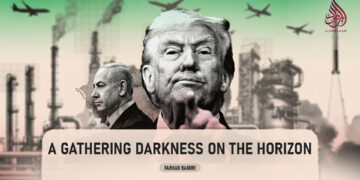
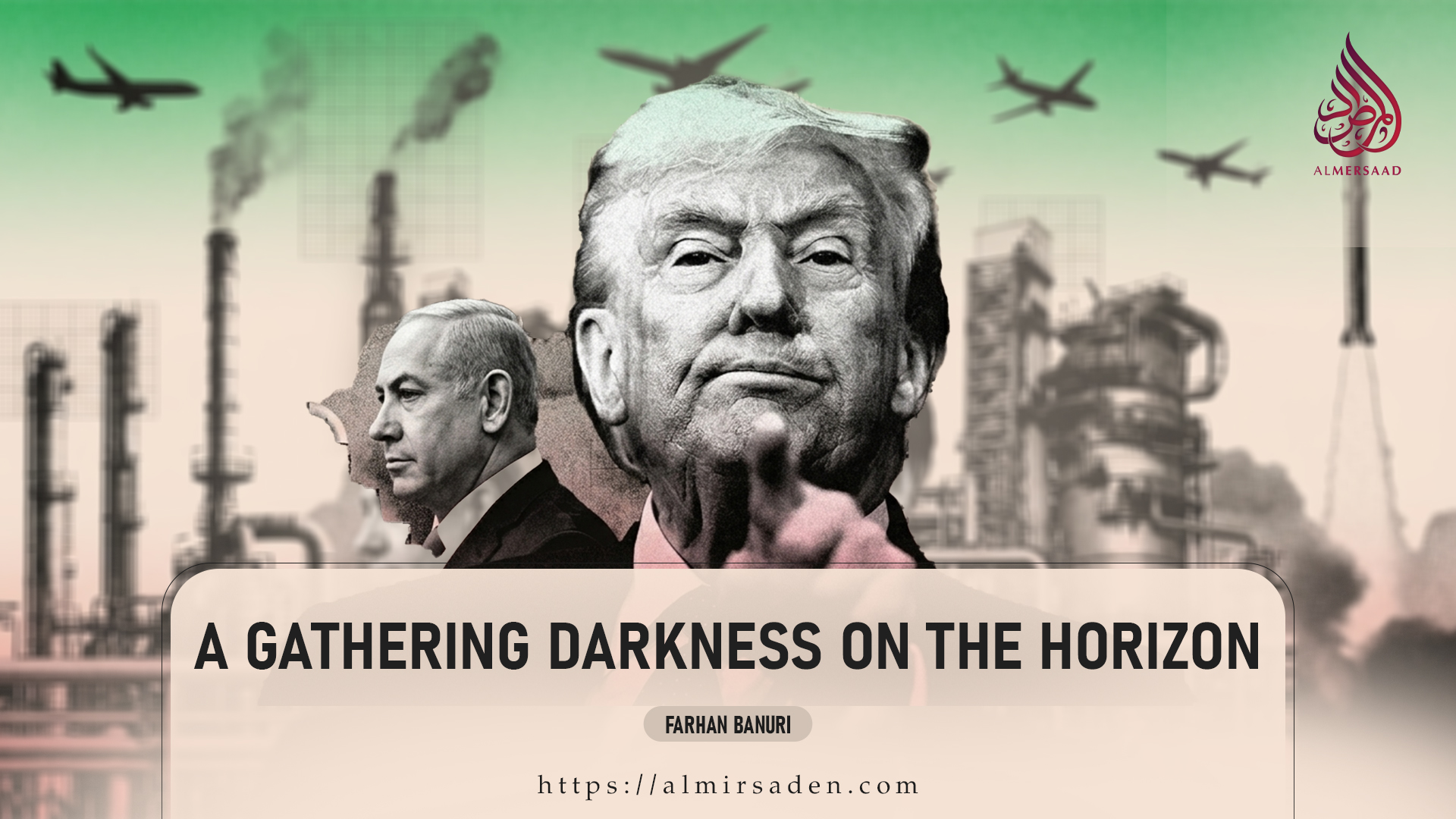
Still, the war has now crossed all human principles and boundaries. The US president has openly declared that if Iran does not reopen the Strait of Hormuz by Wednesday morning, he will turn Iran into hell. He has also just issued another harsh statement, saying, “Tonight, we will bring an end to a civilization that has lasted for thousands of years.” The plain meaning of this, though it suggests a dangerous plan possibly involving the use of nuclear weapons, could also mean that the core infrastructure of Iran, built over years, even centuries, will be wiped out in a single night.
Power plants, gas facilities, and other industrial centers could be destroyed. Furthermore, another very dangerous possibility is that Iran’s nuclear facilities could be targeted, and the consequences of that would not be limited to Iran alone but would plunge the entire region into a severe catastrophe. In response, Iran has also announced the possibility of a reciprocal reaction. We should also remember that so far, although America and Iran have used all their means to exhaust and weaken each other, both sides have always claimed that they have not yet used their full power and still have much more in reserve that they could bring out.
Much can be speculated about America’s hidden and invisible forces, but there is also speculation about Iran’s “hidden power.” If Iran chooses to respond in kind, its final options may take several forms. Some analysts believe that Iran may possess long-range missile systems capable of targeting America’s allies in Europe or American naval forces in the Indian Ocean. There is also speculation that Iran could consider a limited or symbolic use of its nuclear program against Israel, although such a step would carry extremely dangerous and far-reaching consequences.
Still, many analysts believe that a massive, fully destructive scenario may not happen. An important reason for their belief is that Donald Trump, despite making threats in his tough speeches about destroying Iran and turning it into “hell,” has still left the door to negotiations open, saying that these steps will be taken only if Iran refuses to give in to demands.
In addition, the US Vice President has said in his latest statement that serious and intense negotiations will go on tonight, and efforts will be made to keep the situation from reaching dangerous limits. At the same time, many countries in the region and around the world are trying to lower this tension and steer the sharp waves of conflict toward soft understanding and diplomacy.
In this conflict, one of the most painful and troubling situations is that of the Arab countries. Iran, in targeting them with severity, justifies its actions by arguing that these states are allies of the United States, and that many American military and political operations are carried out from their territories.
But observers in the field of news and analysis say that, in fact, there are American military bases in many Arab countries, and those bases are very close to Iran, making them convenient for launching retaliatory strikes against Iran. Apart from bases, if Iran targets public places, its aim may be to increase pressure on America through the Arab populations, forcing them to complain to Washington about the use of their land. Whether Iran can gain anything from this is not clear right now, but the side that suffers the harm is very obvious.
More broadly, after decades of crises, a kind of closeness had emerged between Arabs and Iran in recent days, and it was predicted that soon the old rivals might leave enmity behind, reconcile, and warm their relations even further. But this war has completely destroyed this newly sprouted closeness in a short time and has ruined the atmosphere of trust that had been built up with great difficulty. Old hostilities have been revived and have come back with several times more intensity. Sympathizers, though cautiously and in low tones, advise Iran to refrain from such actions, but they also tell a very painful story: in this war, the greatest harm falls upon Arabs and Iran.
Although America suffers financial losses and its global standing has come under question, the one who appears most satisfied with the current situation is Israel. It seems as if its hope of years, even centuries, is now being fulfilled. For a long time, it has hoped to see both the Arab world approach the brink of destruction and Iran weakened and fallen, so that it may pursue its dominance and ambitions with an untroubled heart.
Now it seems that this hope is being realized relatively easily. From this angle, the whole affair not only has a very dangerous aspect but also creates a deeply sorrowful and painful condition. If Iran does not act with prudence and wisdom, it may drown not only itself but also others along with it in this raging storm.