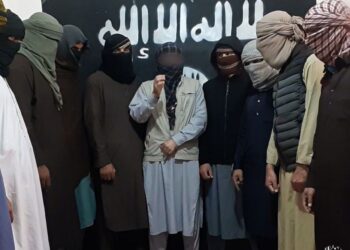




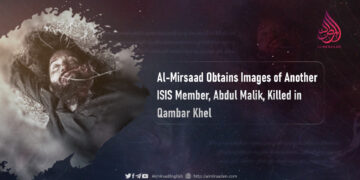
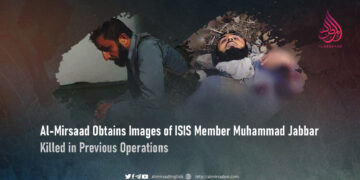















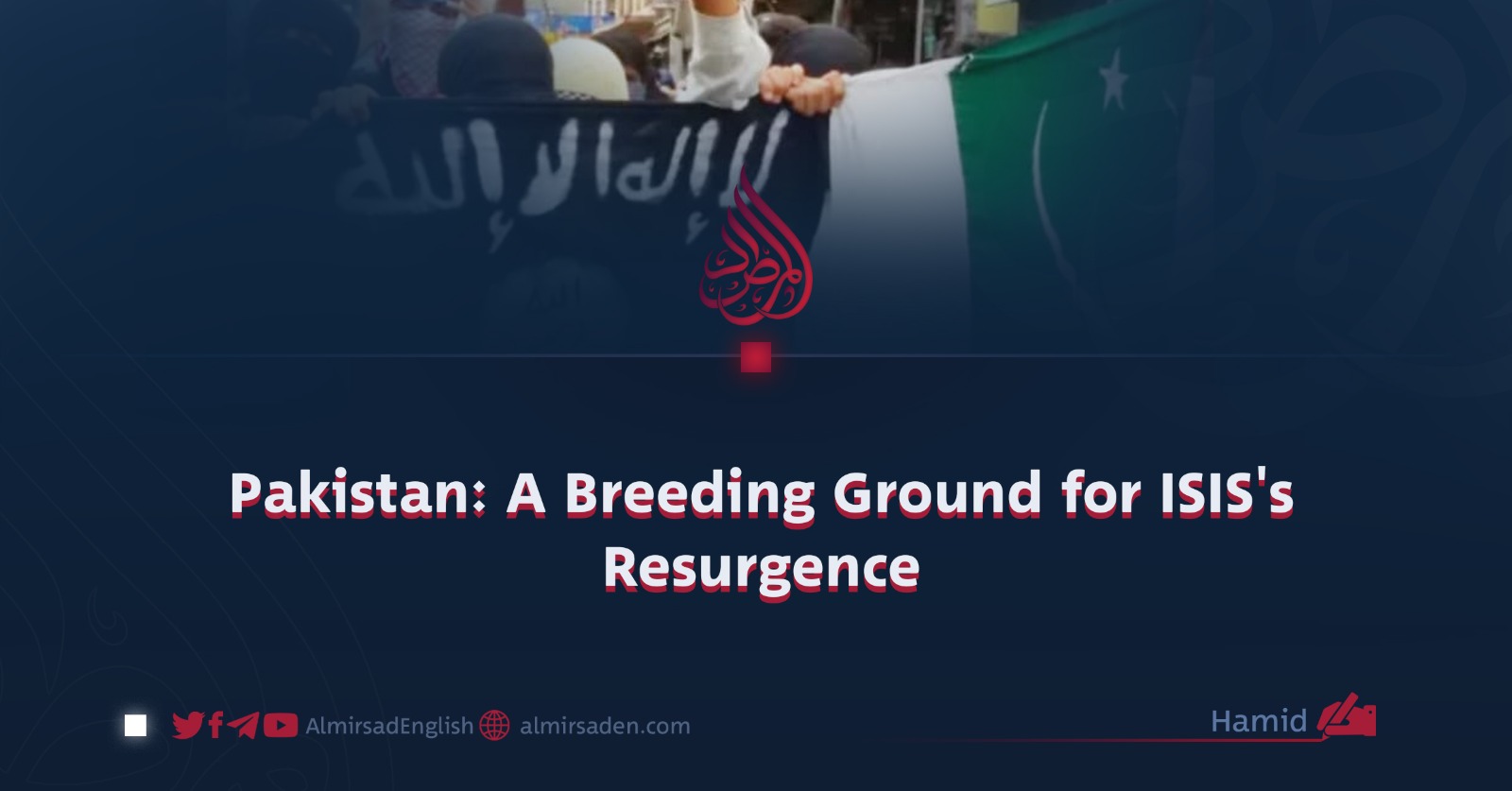
Al-Mirsaad’s latest report, which says that eleven ISIS militants were killed in Pakistan’s Bara region, has once again thrust an uncomfortable reality into the open, one that much of the world has chosen to avert its eyes from for years: Pakistan has effectively become one of the group’s primary hubs.
This episode is not simply about the deaths of a handful of fighters. It is evidence of a far more troubling and dangerous pattern. How can a country that routinely portrays itself as a frontline victim of terrorism also be a place where ISIS appears able to find shelter, regroup, and operate with relative freedom?
In Pakistan’s tribal belt and border regions, ISIS’s footprint is not a coincidence or a passing infiltration, but the outcome of prolonged tolerance, indirect facilitation, and intelligence double standards. Wherever ISIS establishes itself, it leaves a trail of bloodshed, fear, and instability. If the organization is rebuilding today on Pakistani soil, the fire it spreads tomorrow will not stop at Pakistan’s frontiers. Central Asia, South Asia, the Middle East, and even Western states are being exposed to the same web of militant networks.
The core question is not why ISIS gravitated toward Pakistan in the first place. The sharper, more unsettling question is why Pakistan has allowed the group to remain, to reorganize, and to expand.
As ISIS strongholds are dismantled in other theaters, Pakistan’s geography is increasingly serving as an alternative refuge, a fallback zone where ISIS fighters can lie low, recruit, and plan their next moves. That reality is not merely a security concern for neighboring countries. It is a direct challenge to the broader international order.
The world cannot afford to miss what is happening. ISIS will only be meaningfully constrained when its principal bases, its clandestine shelters, and the environments that allow it to function are confronted head-on. As long as Pakistan is offering a permissive space for ISIS activity, declarations about defeating the organization are reduced to slogans rather than strategy.
The moment demands more than ritual statements of alarm. The world must move past the stage of “expressing concern.” If ISIS continues to be overlooked in this way, it risks once again maturing into a worldwide threat, and any country that provides it room to breathe becomes, by extension, implicated in that danger. Without sustained external pressure, rigorous scrutiny, and clear demands for accountability, the campaign against ISIS will remain incomplete and, ultimately, ineffective.
It is a stark warning to the international community: turning away from ISIS today is, in effect, an invitation to tomorrow’s insecurity.