











By Basir
A demonic army produces demonic deeds. Pakistan, from its very birth, was built on betrayal: betrayal of Islam, betrayal of Muslims. That is no secret. But in recent years, especially after the repeated assassinations of respected religious scholars, the regime’s true face has been exposed more clearly than ever before. Anyone with an independent mind can now see through its deception.
Just days ago, on May 5, 2026, another scholar from the ranks of the ulama was martyred: Sheikh Idrees (RH). And the oppression of this tyrannical regime will not stop until the sincere scholars and Muslim masses of Pakistan rise to defend themselves, their faith, their homeland, their languages, and their missing sons.
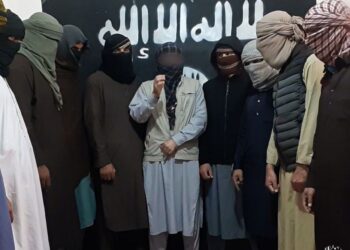
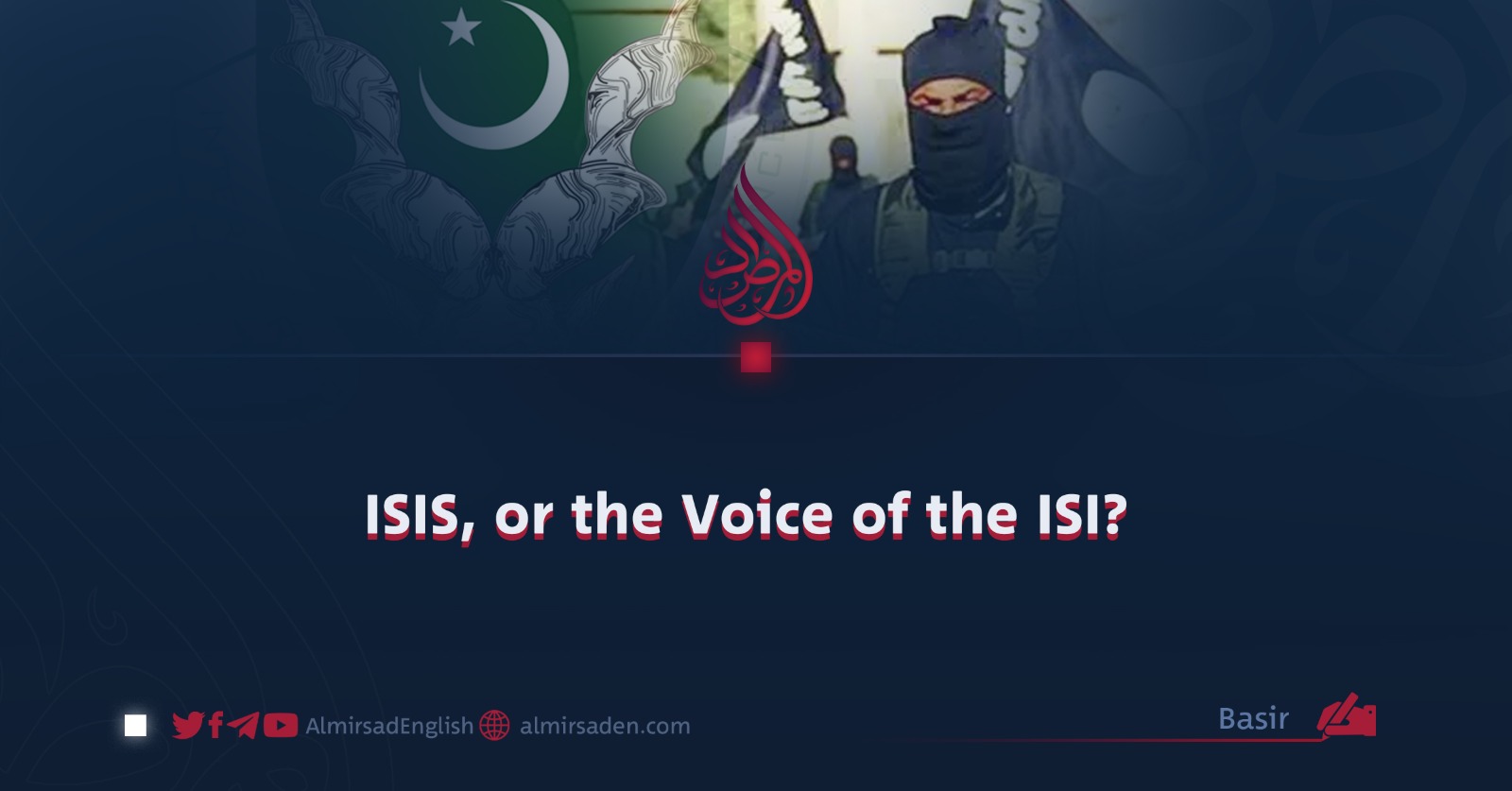
Only hours after the martyrdom of Sheikh Idrees (RH), ISIS released a statement claiming responsibility, saying they had eliminated him “near the Afghan border.” But this is not the age of blind propaganda anymore. Human beings today are more alert than ever. This is the era of artificial intelligence. Yet Pakistan’s military regime and intelligence apparatus remain so reckless and confused that they cannot even manage the wording of their own narratives. They do not know what to say, when to say it, or how to make their lies believable.
That confusion itself reveals something important: Sheikh Idrees (RH) was not killed by ISIS, but by Pakistan’s intelligence services and military officials.
The purpose behind this operation appears twofold. On one side, Pakistan’s military regime wants to distance itself from accusations that it has long trained, sheltered, and supported ISIS-linked elements. On the other, it seeks to shift that blame onto the Islamic Emirate of Afghanistan (IEA) by portraying Afghanistan as the real sanctuary of ISIS.
In doing so, they hope to poison the minds of ordinary Pakistanis against the Islamic system in Afghanistan. And if this narrative satisfies their foreign patrons, perhaps they can secure more financial and political support under the banner of “fighting ISIS,” keeping their collapsing system alive for a few more weeks or months.
What stands out most is the wording used in the ISIS statement itself: “We killed him near the Afghan border.” Those few words carry an obvious agenda.
The phrase “we” is meant to establish ISIS as the actor. But the phrase “near the Afghan border” is the real message. It subtly pushes the accusation toward Afghanistan, suggesting that ISIS is being trained, protected, or supported there, and even implying that Sheikh Idrees’ martyrdom somehow traces back to the Afghan government.
The goal is clear: first, to turn Pakistan’s Muslim population against the IEA; second, to send a message to the world that the ISIS threat still originates from Afghan soil.
But Pakistan’s sincere scholars and ordinary Muslims understand this game well. They know that the IEA confronted ISIS from its earliest stages and recognized its danger before many others did. They also know the geography with their own eyes. The distance between Charsadda, where Sheikh Idrees (RH) was martyred, and the Durand line is roughly 120 kilometers. And the world is no longer ignorant either. In a matter of seconds, anyone with access to modern technology can verify that distance for themselves.
So the conclusion becomes difficult to avoid: even the voice of ISIS appears to move under the influence of the ISI. The gun and the narrative are both being directed by the same hand.
Pakistan’s military regime believes it can kill two birds with one stone. But Allah Almighty has already described such people perfectly in the Qur’an:
“Their example is like that of one who kindled a fire, and when it illuminated all around him, Allah took away their light and left them in darkness, unable to see.”
(Surah Al-Baqarah, 2:17)