
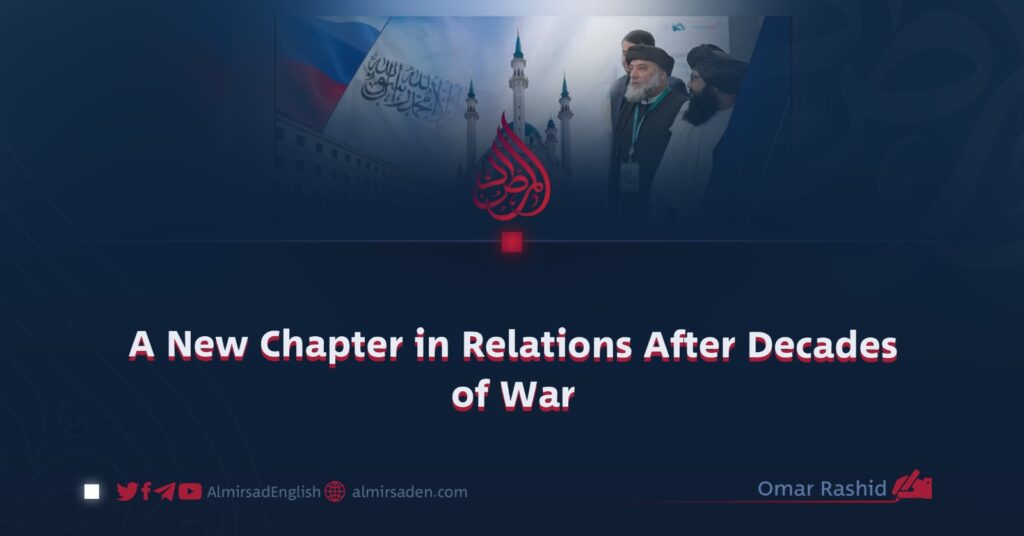
By Omar Rashid
Ideology, defense of values, national interests, development, alliances, the pursuit of power, and territorial expansion are among the factors that have, over the decades, turned friends into enemies and enemies into friends. The world today is divided into roughly 200 countries, each one working to protect itself, preserve its values, and prevent others from harming its beliefs, culture, wealth, or land.
Afghanistan is one of those countries, and an old one at that, with a long history of fighting for exactly these reasons. Since Ahmad Shah Baba, may Allah have mercy on him, laid the foundations of modern Afghanistan, the people have endured every kind of hardship alongside the governments of their time in defense of their religion and freedom. They have fought bitter wars, and they have also maintained good relations with those same countries when it served their interests.
Afghanistan’s history is long and full of struggle and pride, too much to cover in a few lines. So let us focus only on the last few decades and Afghanistan’s relations and foreign policy toward Russia. Russia, what remains of the Soviet Union after its collapse, once governed a vast territory under that name during the reign of Mohammad Zahir Shah. At the same time, it was working to spread communism and bring other countries under its control.
It had the same intentions toward Afghanistan, but it misjudged the country badly. After training a handful of Afghan communists, it brought down the government of Sardar Mohammad Daoud Khan and paved the way for its own proxies to take power. When it came in, the religious scholars of Afghanistan declared jihad as a matter of religious duty, and with the support of the entire Islamic world, they defeated the Soviet Union so thoroughly that fourteen other republics broke away from it as well.
During the Soviet occupation, Afghanistan’s relationship with that power was one of complete enmity, and the people fought with full courage. All ties were severed. The Soviet Union collapsed, and only Russia remained. A new chapter in relations with Russia began. In the light of Islam, the mujahideen government of that time sought good and mutually respectful relations with the whole world, but foreign conspiracies pushed Afghanistan into internal wars that lasted a decade.
Before those internal wars had even ended, the Western occupation arrived. Russia at first cooperated with anti-mujahideen factions and with America, but before long its foreign policy toward Afghanistan shifted. It stopped supporting the opposition, stopped sheltering the enemy, and stopped causing every kind of trouble. Its intentions improved noticeably.
Not only did Russia end its support for Afghanistan’s opponents, it began working for their defeat. It supported development projects and a new chapter opened in economic, academic, and political relations. An enemy country stepped back from its enmity.
Then came the victory. With the Islamic Emirate in power, Russia showed its good intentions once again. It cut ties with Afghanistan’s opposition, supported progress of every kind, engaged in economic cooperation, and adopted a friendly and respectful policy toward the IEA. Last week, it went further and signed a defense and technical agreement that may bring even greater military cooperation with the IEA in the near future.
This cooperation has not come at the price of any compromise or loss of values. It has come on the basis of shared interests, and Islam does permit this kind of agreement and engagement. Our relationship with Russia today is built on mutual respect, with full regard for our land, our religion, our interests, and our values. In the light of Sharia, we are ready for relations and agreements not only with Russia but with the entire world.
Our enmity was always based on Sharia. Now that our religion is safe, our values are preserved, and there is no occupation, we maintain relations with everyone Islam permits us to engage with. But if, Allah forbid, the time of occupation comes again or Sharia demands it, then the same jihad will continue that began with the Battle of Badr.