


















Naqib Ahmad Hamidi
The Sixth of Jadi is etched into the darkest pages of Afghanistan’s history, a day defined by grief, devastation, and national tragedy. It was on this day, in the solar year 1358, that the armed forces of the former Soviet Union launched a ruthless invasion of Afghanistan, openly crushing the country’s sovereignty beneath their boots.
This was no conventional military incursion. It was a full-scale assault on a nation’s faith, identity, freedom, and human dignity. Soviet forces descended upon Afghanistan with tanks, aircraft, artillery, and indiscriminate bombardment, turning cities and villages alike into fields of fire and ruin. Hundreds of thousands of innocent Afghans were martyred. Thousands more were wounded, maimed, or permanently disabled. Mothers were torn from their sons, women were left widowed, children were orphaned, and grief took residence at the threshold of every home.
The inferno of war spared no one. The elderly and the young were slaughtered without distinction. Women were not safe. Mosques, madrasas, schools, and farmlands were not spared. The machinery of occupation devoured everything in its path, leaving only rubble, blood, and a haunting silence.
Soviet prisons overflowed with Afghans. Thousands of young men were dragged behind iron bars, where cries of pain, groans of helplessness, and suffocated calls for freedom echoed in the darkness. Entire villages were erased from the map. Agricultural lands were destroyed. Afghanistan’s social and economic foundations were shattered beyond repair. Nearly five million Afghans were forced into exile, abandoning their homes, their land, and their memories to survive the cruelty of displacement.
Millions sought refuge in neighboring countries, where they endured poverty, humiliation, and uncertainty. Yet exile did not sever their bond with the homeland. The love of Afghanistan burned unextinguished in their hearts. And despite the scale of suffering and sacrifice, the Afghan nation did not surrender.
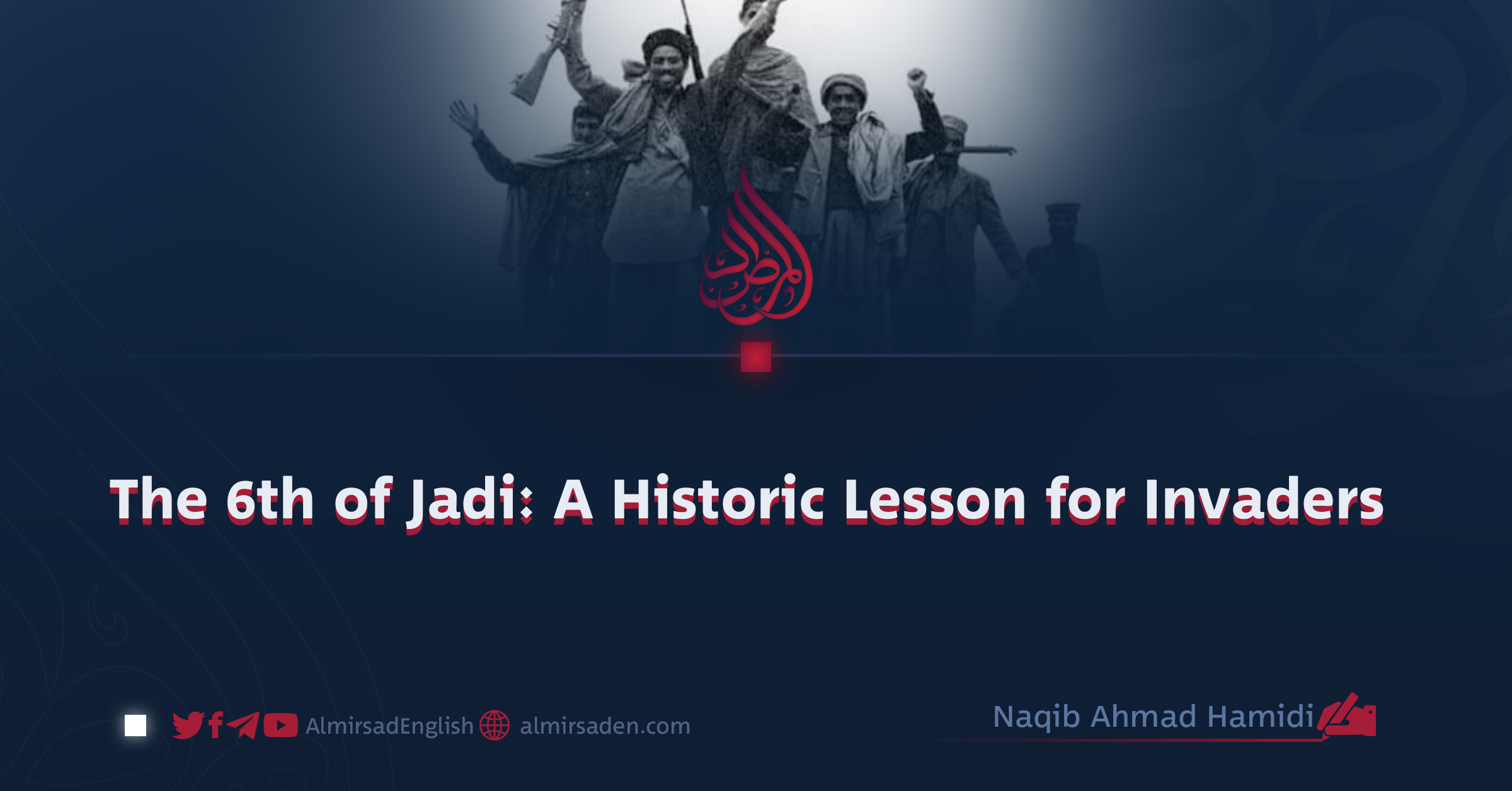
With unshakable faith, honor, and an unyielding thirst for freedom, the Afghan people rose against occupation. Through steadfast resistance and sacred jihad, they shattered the illusion of invincibility surrounding one of the world’s greatest military powers. This struggle remains a defining and glorious chapter in Afghan history, a declaration to the world that Afghans may be crushed, starved, and bombed, but they will never live in chains.
The Sixth of Jadi teaches a lesson written in blood: independence is not gifted, negotiated, or purchased cheaply. It is earned through sacrifice, patience, unity, and unwavering resolve.
For the Soviet Union, Afghanistan was not merely a battlefield. It became the beginning of imperial collapse. Despite possessing the most advanced weapons, tanks, and air power of its time, the Soviet military was defeated by the determination of a people who refused to bow. Over a decade of war, thousands of Soviet soldiers were killed, tens of thousands were wounded or disabled, and the human cost crippled their armed forces.
The economic toll was equally devastating. War expenditures drained billions of rubles each year, eroding the Soviet economy from within. The destruction of equipment, aircraft, and armor, combined with the unending nature of the conflict, placed unbearable strain on the Soviet system and fueled internal dissent.
Politically and internationally, the war proved disastrous. The Soviet Union’s global standing collapsed. Its reputation as an occupying aggressor hardened, opposition intensified, and diplomatic isolation deepened. Afghanistan exposed the moral and strategic bankruptcy of an empire built on force.
Ultimately, the Soviet Union withdrew from Afghanistan in humiliation. Soon after, its empire disintegrated entirely. History recorded a verdict that cannot be erased: brute force may impose temporary control, but it can never defeat a united, faithful, and freedom-loving people.
Afghanistan’s history has repeatedly affirmed one truth: this land does not submit to domination. Any power that casts predatory eyes upon the faith, values, land, and independence of the Afghan people must remember the black lesson of the Sixth of Jadi. Afghans may appear materially poor, but they possess a moral and spiritual strength that has humbled the greatest empires of the world. This nation has never worn the chains of slavery, and it never will.
If any neighboring or foreign state believes that bombs, threats, intimidation, or pressure can subdue Afghanistan, it is repeating a fatal illusion. The fate awaiting such ambitions will differ little from that of the Soviet Union. This land has become a graveyard for invaders because its people defend it until their final breath. Afghans desire peace, but they do not bargain over dignity or sovereignty.
Recent bombardments and acts of aggression against Afghanistan by Pakistan’s military regime are deeply alarming and reflect a willful blindness to history. Such actions do not merely strain relations; they reopen old wounds and awaken memories written in fire. Those who imagine that Afghans will be silenced by airstrikes and threats are making a grave miscalculation. As before, the Afghan nation will unite and return to the field of resistance to defend its homeland.
Afghanistan has always extended a hand of brotherhood, goodwill, and mutual respect to its neighbors. But this hand must never be mistaken for weakness. History bears witness that when the patience of this nation is exhausted, the cost to the aggressor is severe.
The Sixth of Jadi is not only a day of mourning. It is a day of warning. A day of resolve. A day of national awakening.